Kent Bressler, Living Donor Kidney Transplant Recipient, AAKP Ambassador and Board Of Director
Kent’s journey with kidney disease started in 1970 when he was drafted into the United States Army. At his pre-induction physical examination, a lab technician stated that there was protein in his urine sample, but nothing more was explained, and Kent was accepted into the Army. He served for two years at a hospital base in Fort Hood, Texas, as an X-Ray Tech/medic. Looking back, Kent shares that his time in the Army was one of the best things that ever happened to him, serving as a stepping stone to a career in nursing.
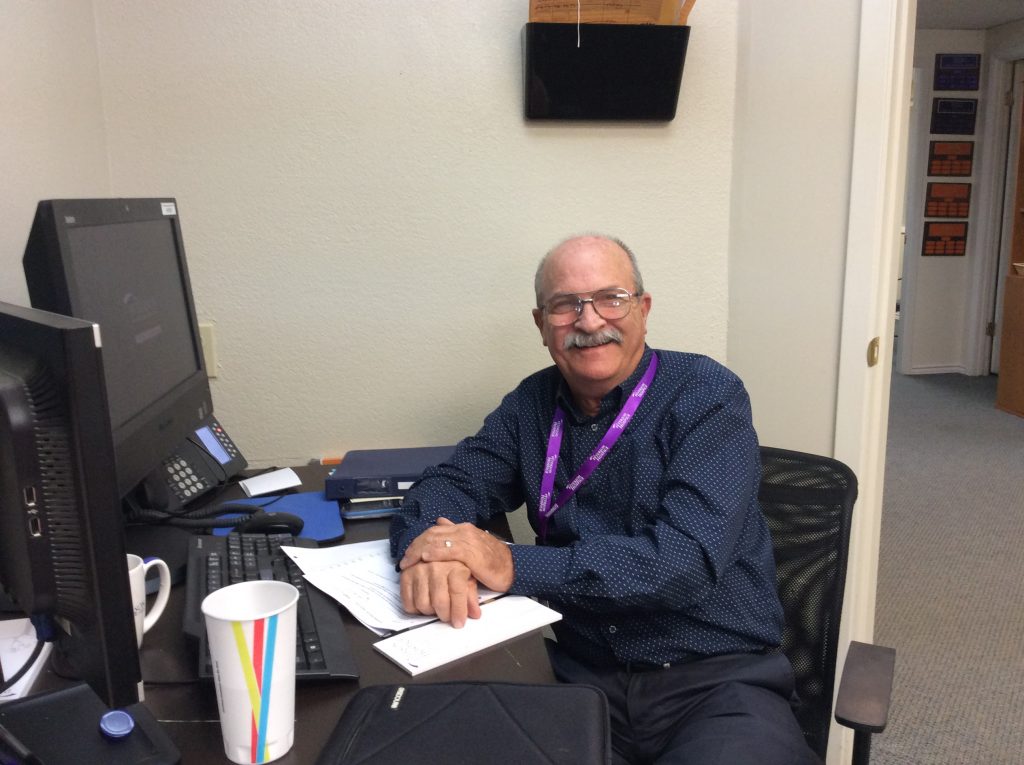
After his service, Kent went to college at the University of South Dakota and received his Bachelor of Science degree in Nursing in 1976. While he was in college, Kent learned he had kidney disease after a biology lab class where students tested their own urine sample with the Bence-Jones test. Each student put a tablet into their urine sample to see if it changed colors. Kent’s urine was the only one to turn blue. After class, the professor advised Kent that he needed to go to the doctor immediately. He was able to get an appointment a week later, with a general practitioner who confirmed that he had protein in his urine, and he was asked to follow up every six months. Seven years down the road, Kent was 32 years old, living in Texas, where he found work at a VA Hospital. He was now married to his high school sweetheart, Cathy, and they had two young daughters. During a wellness check-up, Kent was found to have extremely elevated blood pressure, to the point it was considered a hypertensive crisis at 200/110. He was started on hydrochlorothiazide (HCTZ), a water pill, and was admitted to the hospital where they got his blood pressure under control. He was then referred to Dr. Pariac Mulgrew, a San Antonio Transplant nephrologist. Dr. Mulgrew did a kidney biopsy and sent it to the University of Texas and Johns Hopkins. The result of the kidney biopsy was Focal segmental glomerulosclerosis (FSGS). His doctor explained that FSGS had no cure. Kent remembers being in complete shock.
Kent’s nephrologist did a great job of trying to delay dialysis, but over the next five years, his condition worsened. He learned that a kidney transplant would be the best option and was encouraged to ask his family members to consider being tested to be a living kidney donor. Kent has two brothers, Kip and Kerry. Both of his brothers volunteered to be tested, and they were both found to be a good match. Ultimately, it was Kip who saved his life and donated his kidney to Kent. Before surgery could take place, however, Kent had two days of dialysis to get his creatinine to a safer level for a successful transplant. The transplant surgery went extremely well. Kent has been living with Kip’s kidney now for 38 years! (He’s proud to be a member of the Transplant Quarter Century Club for many years now, a community for recipients with a donated organ for 25 years or more.)
After receiving his kidney transplant, Kent went on to work for more than 40 years as a registered nurse (RN). He worked at the VA for 22 years and at a private hospital for over 20 years. Additionally, he was able to raise his two daughters and has now been married to his wonderful wife, Cathy, for over 50 years. He is grateful to Kip that he was able to enjoy all the parts of life and his family without having to be on dialysis. He shares that he has always felt a deep responsibility to care for his transplant and believes that going to the doctor regularly and taking his medications as prescribed are major reasons it has lasted for so many years. He is also thankful for his brother Kerry, who has also provided unwavering support over the years.
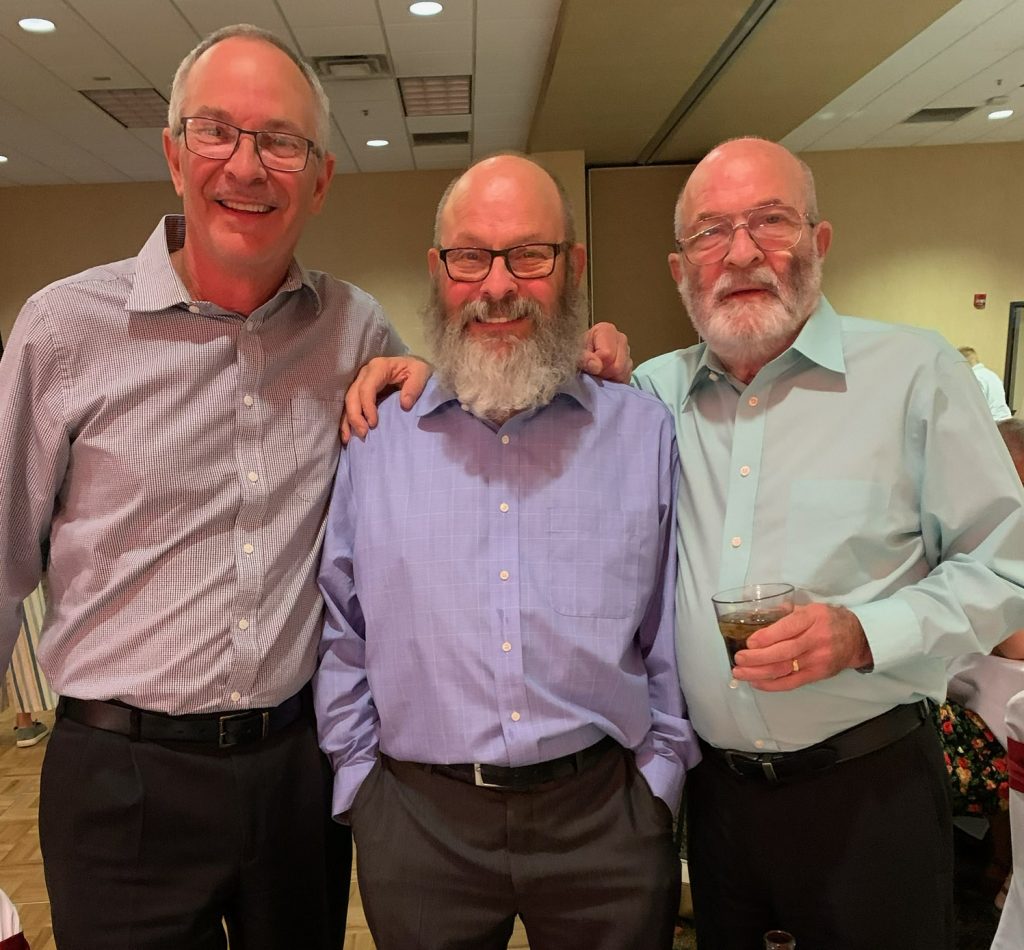
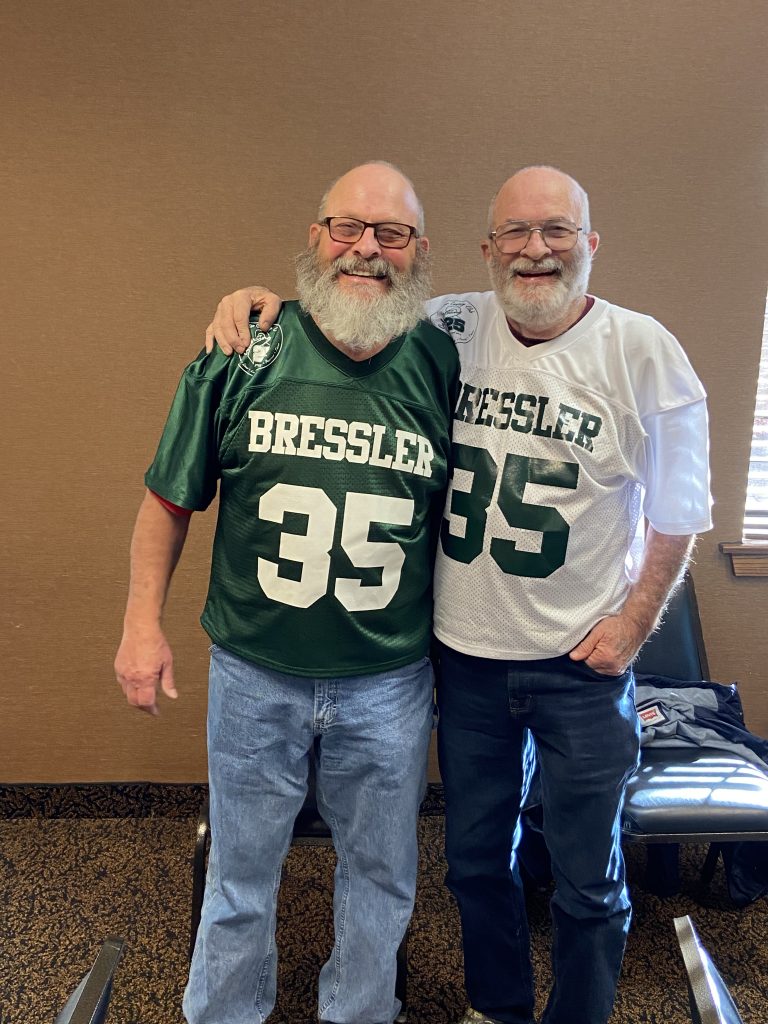
Kent turned 76 in January 2026, and over the last year, he has dealt with health issues. He jokingly referred to this group of anomalies which he has been diagnosed with as “AGE”. He said that everybody will experience the effects of “AGE” if they live long enough. Over the past 12 months, he underwent Endo graphic repair of an abdominal aortic aneurysm, had a small 2.5mm tumor removed by RFA from his transplanted kidney, and a cervical spine decompression with fusion from C3 to C7. Despite these health challenges that come with aging, Kent is doing well and hopes to live to be 100 years old. He says that his support system, his family, and his faith in God, are how he gets through the tough times and remains optimistic.
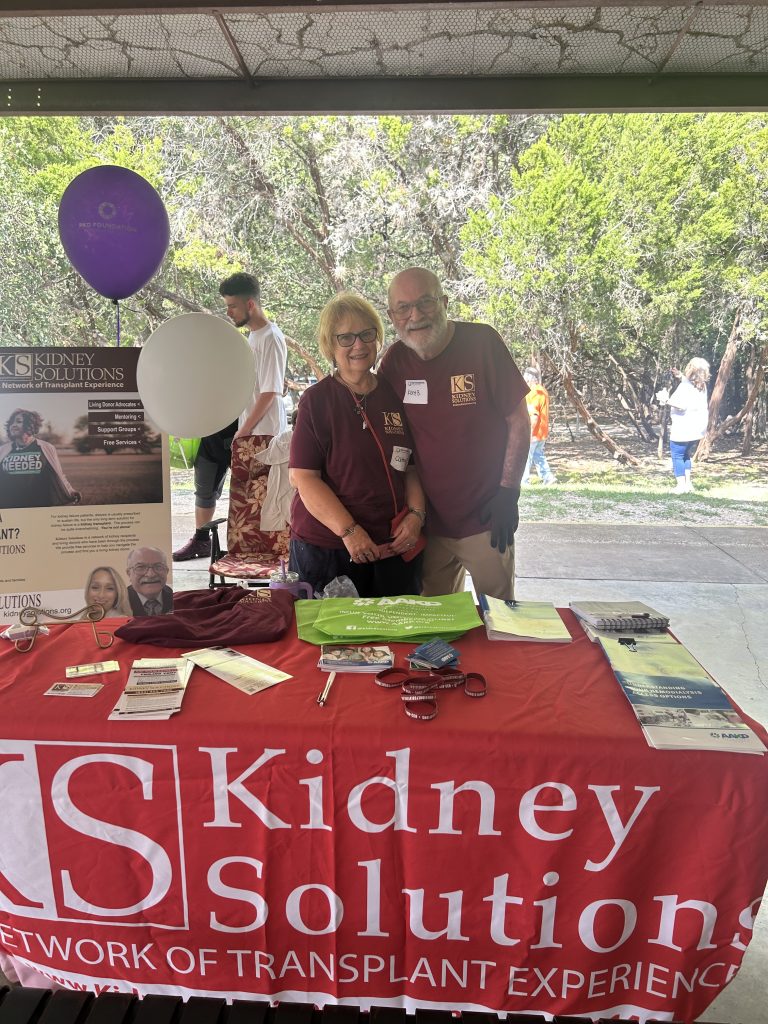
Seven years ago, Kent founded a non-profit called Kidney Solutions https://kidneysolutions.org/ to help aid fellow kidney patients. He enjoys guiding and uplifting others who are navigating kidney disease and those looking for a living kidney donor. The organization offers mentorship, support groups, and has a podcast – all of which are free services to the kidney community. Kent says he is always willing to listen to fellow patients and does his best to point them in the right direction. He wants others to know, “When you get in a dark place and think you can’t pray your way out of it, you can.”
Kent is an active volunteer for AAKP as a member of the National Board of Directors, an Ambassador, and part of the AAKP Veterans Health Initiative. He also volunteers for other national kidney groups.