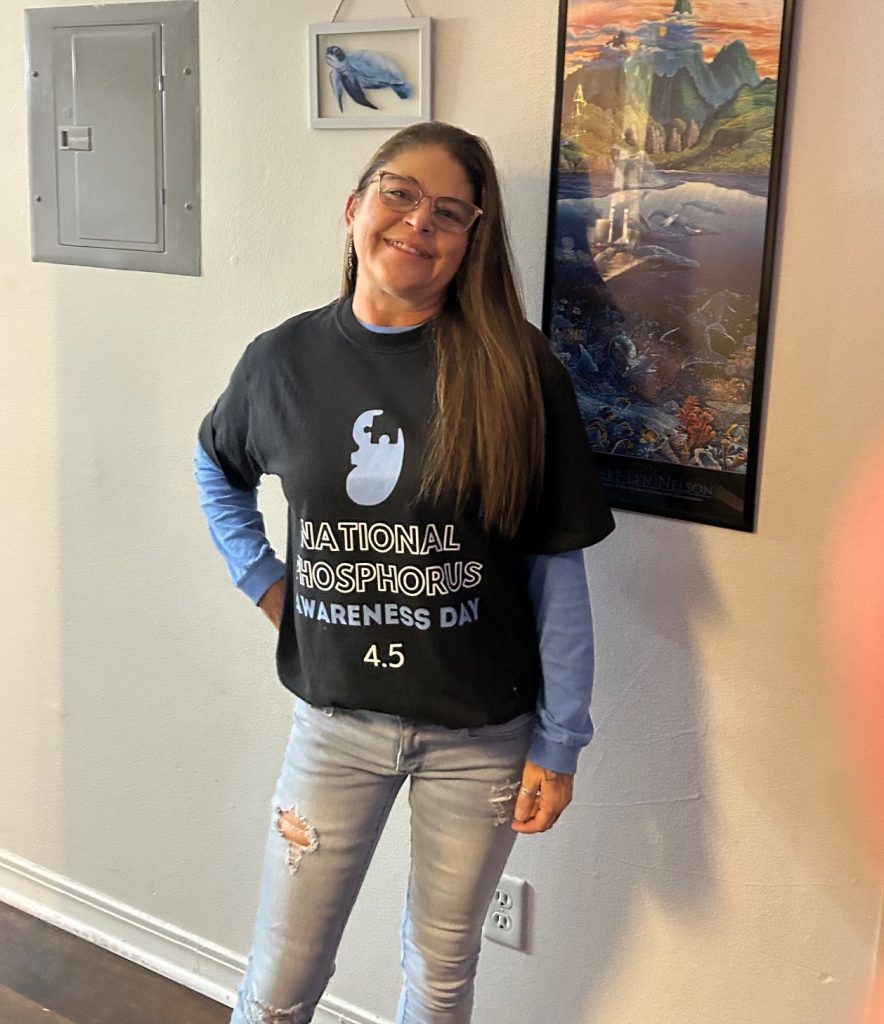
Chrissy Huffman was 23 years old and pregnant with her third son when doctors discovered her kidneys were failing. What should have been a joyful time was suddenly filled with fear and uncertainty. To support her baby’s growth, she was given weekly steroid injections and amino-stasis. Thankfully, she delivered a healthy baby boy around 38 weeks. Soon after giving birth, it was time to get to the bottom of the cause of her kidney disease. In the following weeks, Chrissy had a kidney biopsy and was diagnosed with glomerulonephritis (GN). A year later, she was in end-stage kidney failure and began in-center dialysis.
As a single mother raising three young children, dialysis was especially difficult and overwhelming for Chrissy. She remembers being so scared and crying during her first dialysis session. When she looked around her clinic, she saw that she was the youngest patient receiving dialysis. “I felt like life was over,” she said.
Although she had support from close friends, Chrissy struggled with finding care for her children during her treatment. At times, she had no choice but to bring them to dialysis treatments with her, where they stayed in the waiting room. The clinic staff were very understanding and would watch her kids and give them snacks.
In 2010, after being on dialysis for 10 years, Chrissy received a living donor transplant from her best friend’s sister, who was a perfect match. She is very grateful for this gift of life. Unfortunately, after four years, the kidney rejected after Chrissy became ill and severely dehydrated. She admittedly shares that at that time, she was stubborn, refusing to seek help at the hospital because she did not have childcare and would have had to bring her kids.
After her first kidney transplant failed, Chrissy went back on in-center dialysis. Over the next 12 years on dialysis, she experienced nearly every form of kidney replacement therapy, including peritoneal dialysis (PD) and home hemodialysis (HHD). In addition, she has had every access type, including dialysis by central venous catheter (CVC).
In December 2024, she went back on the kidney transplant waitlist after a long struggle trying to manage her phosphorus level.
Managing phosphorus isn’t just about lab numbers.
It helps to:
• Protect your heart
• Protect your bones
• Prevent permanent calcification
• Improve surgical readiness
• Show readiness for transplant surgery and care
Transplant centers want candidates to be as medically stable as possible, and uncontrolled phosphorus can increase surgical risk. Chrissy remembers her phosphorus levels were high throughout her entire time on dialysis. No matter what she tried, nothing seemed to bring them down. Then, just before her transplant, a new medication (XPHOZAH®) from Ardelyx became available. For the first time in her life, her phosphorus levels were in the normal range. That breakthrough made it possible for her to be “transplant ready” and move forward rejoining the transplant waitlist.
After rejoining the list, she thought it would be a few years before she got a call. To her surprise, on January 4, 2025, she received a call saying that there may be a deceased donor kidney for her and that she should start preparing.
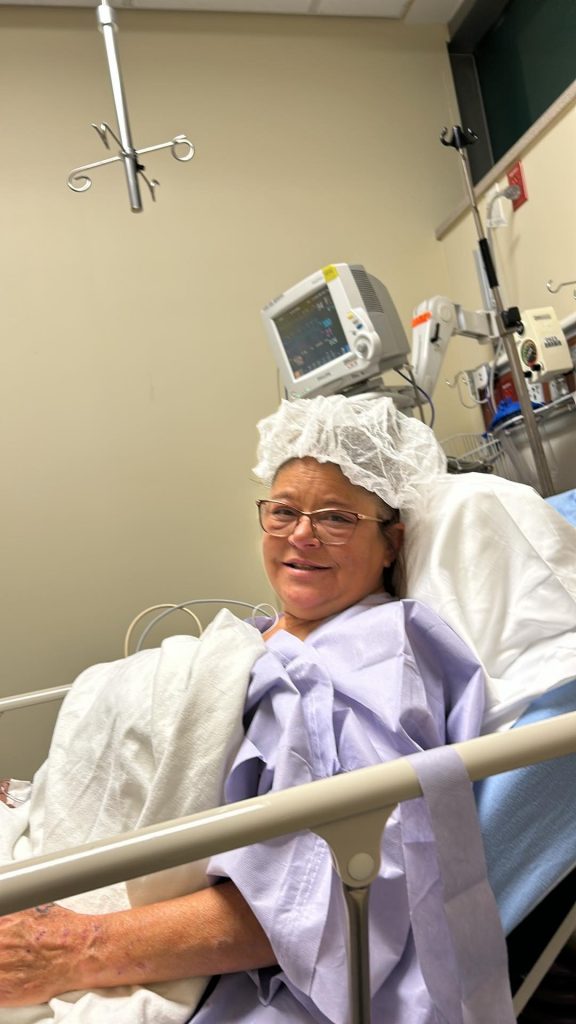
The next day, her friends took her out to a celebratory dinner in anticipation of a potential call. She received the call that evening, while at dinner with her friends! They rushed home, packed bags, and all of them headed to Shands Hospital in Gainesville, FL. Chrissy went into surgery the morning of January 6th while her friends waited and slept in the waiting room. Her surgery was successful, and she just celebrated her one-year kidney anniversary.
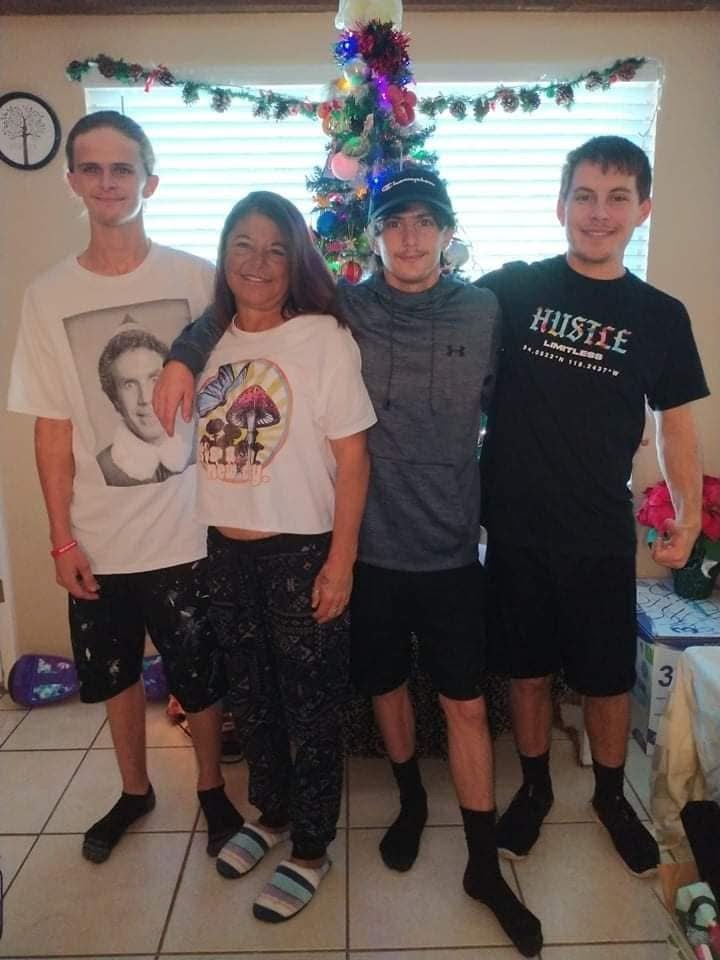
Today, at the age of 46 and with 22 years of experience with kidney disease, Chrissy is motivated to start living her best life as a kidney advocate and wants to share her inspiring story with fellow patients and return to work. She’s battled kidney disease as a single mom and is now embracing life as a grandmother. She’s made it through unemployment and many tough years of dialysis. “If I can help one person realize that it is not the end, and it will be okay, then that is all that matters.”
This article was originally published in the March/April 2026 issue of aakpRENALIFE.